
CPR renewal: how often do you need it?
CPR renewal is one of those tasks that is easy to push aside until a deadline appears. This guide explains how often CPR renewal is commonly expected, what you will cover, and how to plan your next CPR training session without stress.
If you are unsure where to start, you can compare upcoming CPR training courses and pick a time that suits your work or study schedule.
Why CPR renewal matters
CPR skills are physical and perishable. Even if you have completed the course before, the quality of compressions, the confidence to act, and the ability to follow current guidance all fade without practice. A renewal course is a practical reset: you revisit the steps, use equipment safely, and refresh the mindset that helps you respond quickly.
If your role involves safety, teaching, healthcare, community work, or leadership, current CPR renewal can also be part of workplace expectations. Keeping training current shows that you are prepared and helps your team meet duty of care obligations without scrambling at the last minute.
How often should you renew CPR training?
There is no single rule that fits every workplace or industry. Many employers and organisations prefer annual CPR renewal, while some accept longer intervals if your role is lower risk. The safest approach is to check your employer, regulator, or placement requirements and book within the window they specify.
If you are self-employed, a volunteer, or returning to work after a break, treat CPR renewal as a yearly habit. Setting a personal reminder each year keeps your cpr training up to date and avoids a last-minute rush when a roster or compliance check appears.
What a CPR renewal course covers
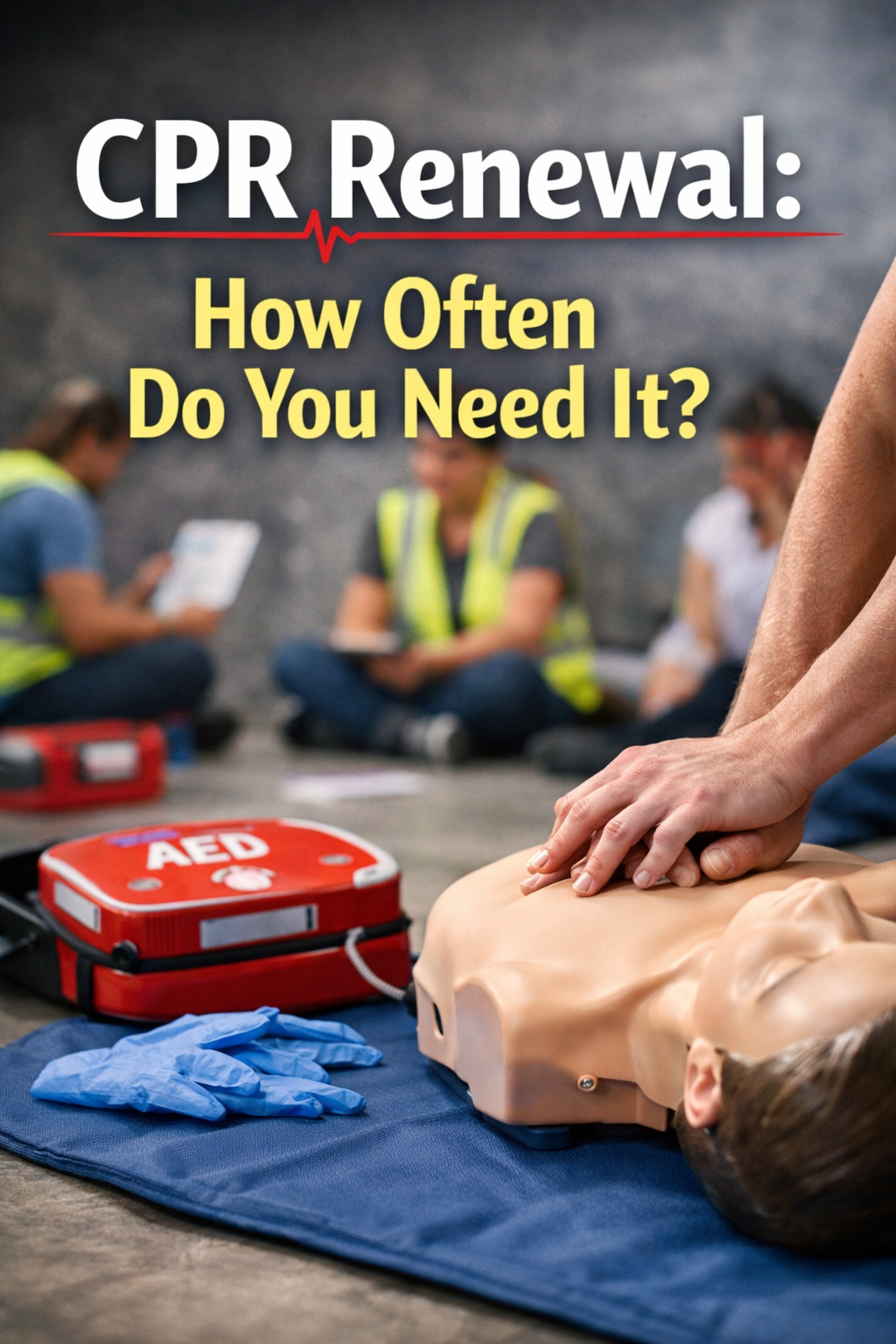
A CPR renewal session focuses on the practical steps you need to perform safely and confidently. Expect hands-on practice with compressions, breaths, and using an automated external defibrillator (AED). Most courses also cover how to assess the scene, call for help, and work with others when more than one responder is available.
You will also get feedback on technique, which is the biggest value of refresher training. Small adjustments in depth, pace, or hand position can make a difference, and that feedback is hard to replicate without an instructor watching your form.
Tips to stay current between renewals
CPR renewal is more than a calendar item. Keeping the basics top of mind helps you perform under pressure. Here are a few simple habits that help people stay ready:
- Save your renewal date in your phone and set a reminder one month earlier.
- Review the steps with a colleague so you keep the sequence clear.
- Practise your hand position and compression rhythm on a cushion at home.
- Ask your employer if they prefer annual cpr renewal for compliance checks.
FAQ
Is CPR renewal the same as the full course?
It is a refresher focused on the key practical skills and current guidance. If you have never trained before, you should complete a full course rather than a renewal.
Can I renew CPR early?
Yes. Many people renew a few months early to line up with work rosters, placements, or school terms. Early renewal also reduces the risk of a lapsed certificate.
Do I need CPR renewal if I only do office work?
It depends on your workplace policies and the responsibilities you have. If your employer expects current certification, renewal is required even if your day-to-day tasks are low risk.
Takeaway
CPR renewal keeps your skills fresh and your compliance simple. If you treat it as a yearly habit, it becomes easy to stay current with cpr training and to respond confidently when it matters.